Arabic Transliteration and Consistency in Publishing
Consistent Arabic transliteration helps academic institutions, publishers, and cultural organizations maintain clarity, credibility, and search visibility across multilingual publications.
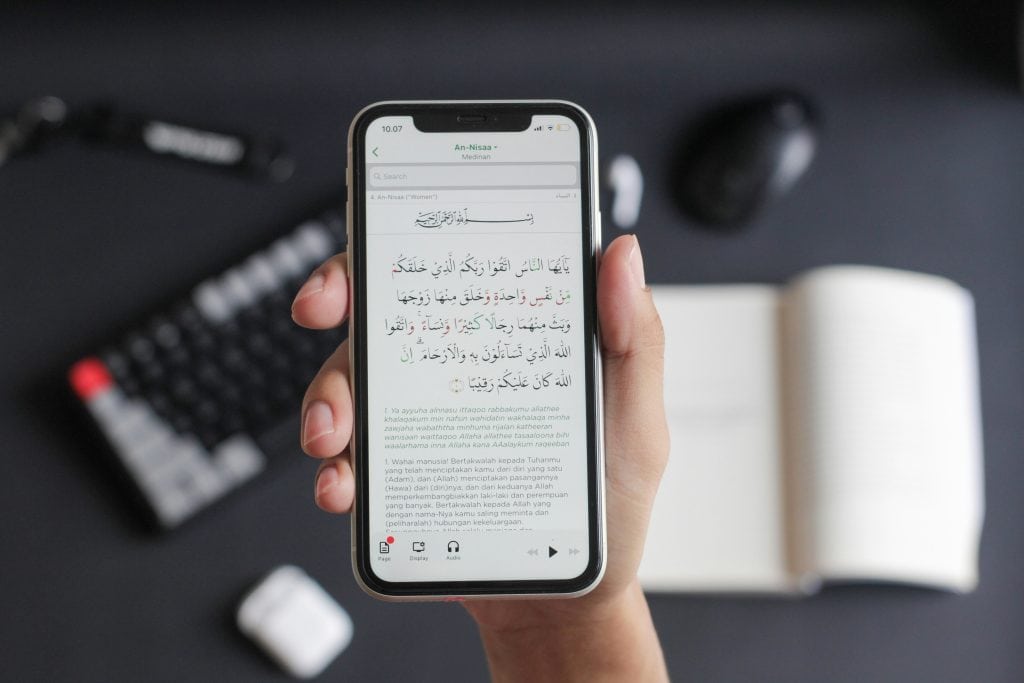
An academic article, a catalog essay, and a website may all refer to the same Arabic concept—yet spell it in three different ways. For writers and organizations this can create confusion and inconsistency. For publishers it signals a deeper issue: inconsistent transliteration and terminology. Transliteration—writing words from one script into another based on how they sound—can vary widely, which is why the same term often appears in multiple forms.
Arabic transliteration consistency helps multilingual content remain clear, professional, and easy to follow. For publishers, organizations, and institutions working across languages, this is a simple but powerful editorial practice.
In multilingual publishing clarity depends not only on accurate translation but also on consistent editorial decisions applied throughout a project.
Arabic Is One Language with Many Written Variations
Arabic has a shared formal written standard, but pronunciation and vocabulary vary across regions. Although these differences rarely appear directly in formal writing, they influence how Arabic words are represented in English. Transliteration preserves how a term sounds across scripts, while translation conveys its meaning in another language. For example, كتاب would be transliterated as kitab but translated as book.
Because transliteration systems differ, you may encounter multiple acceptable spellings of the same term. Academic sources, media publications, and translators often follow different conventions that are shaped by audience expectations or institutional tradition.
Problems arise when several distinct transliterations appear within the same publication. Readers may assume they refer to different ideas, places, or objects when they really represent the same term.
Even subtle variations can interrupt comprehension. Once readers recognize a term, it should appear in the same form every time. Although translations will sometimes vary based on context, for clarity of comprehension, transliterations always need to be consistent throughout a text.
Transliteration or Translation?
Working across languages, especially with Arabic content, often presents a particular practical dilemma: should a term be translated into English or rendered through transliteration?
The answer depends on context rather than strict rules.
- Cultural Specificity: Some terms carry historical or cultural meaning that translation cannot fully capture. Transliteration helps preserve nuance.
- Reader Clarity: If a clear English equivalent exists, translation may improve accessibility.
- Audience Familiarity: Specialist audiences may recognize Arabic terminology, while general readers benefit from brief explanations.
One useful approach is to introduce a given term clearly on first appearance, provide a short explanation if needed, and then make sure to use the same spelling consistently throughout the text.
Why Inconsistency Creates Editorial Problems
Inconsistency of Arabic terminology in English may appear to be a minor issue during drafting, but its effects are often magnified during the publication process.
Inconsistent use of Arabic terms can:
- Interrupt reader comprehension
- Weaken institutional voice
- Complicate indexing and archiving
- Reduce online search visibility
- Create extra revision work late in production
Digital publishing makes the issue even more visible. Search engines treat spelling variations as separate keywords, so inconsistent terminology can fragment search results. Institutions managing online collections or educational resources may unintentionally make their content harder to find.
But consistency benefits human readers as well as digital systems. Readers rarely notice consistency directly, but they quickly sense when it is missing. Stable terminology reduces cognitive effort, allowing readers to focus on ideas instead of interpreting spelling differences.
For global audiences encountering unfamiliar concepts, repeated terminology acts as a guide. Each consistent appearance of a term reinforces understanding and builds confidence in the text.
In this way, consistent use of terminology functions as an invisible form of reader support.
Where Inconsistency Often Appears
Editors frequently notice terminology shifts in predictable places. Here are some of the worst offenders:
- Captions written separately from the main text
- Contributions from multiple authors
- Translations updated at different stages of the editorial process
- Website content adapted from printed materials
- Archival descriptions created over long timelines
Because these elements are often edited independently, terminology can drift without anyone noticing. A final consistency review helps reconnect these pieces into a unified publication.
Why This Matters for Organizations and Institutions
Organizations working across languages are communicating with diverse audiences. To be effective, their materials must remain clear and consistent across formats, platforms, and regions.
A simple example: imagine an exhibition in which an object’s name appears one way in a report, another way on a wall label, yet another way in a book or on the museum’s website, and another different way in internal communications in the institution’s digital archive. Readers might quite reasonably assume all of these refer to different concepts when they really denote the same thing.
Consistent terminology strengthens institutional voice and helps audiences navigate complex information with confidence. For this reason many organizations and institutions maintain internal glossaries or project-specific lists of terminology to ensure clarity across contexts and publications.
A Practical Workflow for Arabic Term Consistency
Maintaining consistency does not require complex systems. A few simple editorial habits can prevent major problems later:
- Choose a reference approach early
- Create a terminology list
- Standardize at the first appearance of a given term
- Follow established style guidelines or recognized Arabic transliteration standards to ensure consistency across multilingual content
- Review beyond the main text
These steps allow teams to maintain flexibility while ensuring coherence.
The Role of Editors in Multilingual Publishing
Editors play a central role in helping writers produce clear, consistent, and accessible texts while preserving linguistic nuance. Rather than enforcing rigid rules, they bring structure to complex language decisions, creating consistency that supports both clarity and meaning.
Good editorial practice respects linguistic diversity while ensuring that readers encounter stable terminology. This balance is especially important in multilingual environments, where clarity depends on predictable language patterns.
Consistency also supports collaboration. Writers, translators, and designers can work more efficiently when terminology decisions are clearly documented.
A Quick Checklist for Editors
Before finalizing any project involving Arabic editing, make sure that you:
- Use one spelling per term throughout the document
- Keep transliteration choices consistent
- Explain unfamiliar terms once
- Follow established style guidelines
- Check captions, headings, and metadata
- Confirm terminology matches institutional records
Addressing these points early on saves significant editing time later.
Conclusion
Arabic linguistic diversity enriches global publishing, but it also requires careful editorial decision-making. By maintaining consistent terminology, editors ensure multilingual content remains clear, searchable, and accessible across audiences.
For publishers and institutions working internationally, Arabic term consistency is not simply a technical detail. Editorial consistency in publishing is a practical foundation of effective communication and professional presentation.
FAQ
What is Arabic transliteration in publishing?
Why is Arabic transliteration consistency important?
Should Arabic words be translated or transliterated?
Which transliteration systems are used in academic publishing?
Book a free editorial consultation or fill out our project intake form by clicking below.