Line Editing
When you need to improve your writing style to connect to readers.
What Is Line Editing?
Line editing focuses on how your ideas are expressed at the sentence and paragraph level. Unlike developmental editing, which addresses the larger structure, argument, and organization of a manuscript, line editing services refine the writing itself—improving clarity, flow, style, and readability while preserving your voice and intended meaning.
A professional line editor works closely with your prose to strengthen:
- Word choice and phrasing
- Sentence structure and clarity
- Voice and tone
- Rhythm and flow
- Transitions between sentences and paragraphs
- Concision and unnecessary repetition
- Consistency in style and language
- Readability for your intended audience
Line editing is particularly valuable when your ideas and overall structure are already in place, but the writing needs another level of refinement. We provide professional line editing for nonfiction books, academic and research-based manuscripts, journal articles, essays, reports, and other long-form content.
Line Editing Across Disciplines
Our line editing services support writers across disciplines and industries. We match each project with an editor who understands its subject matter, audience, and purpose, while focusing on the clarity, style, and readability of the writing itself.
We help nonfiction authors and journalists refine books, essays, articles, and other long-form work for publication. Line editing strengthens sentences, improves pacing and flow, reduces repetition, and makes complex ideas more engaging without losing the writer’s distinctive voice.
Our editors help academics and researchers communicate complex ideas clearly and precisely. We line edit scholarly books, journal articles, research manuscripts, and other academic writing while preserving disciplinary terminology, technical meaning, and intellectual nuance.
We work with businesses, nonprofits, foundations, and other organizations on reports, white papers, thought leadership, articles, and other substantive content. Line editing helps make specialized knowledge and complex ideas clear, compelling, and appropriate for the intended audience.
Museums, arts organizations, and cultural institutions rely on clear writing for publications, exhibitions, interpretive materials, reports, and public-facing content. We refine language while respecting institutional voice, specialized terminology, and subject expertise.
For writers working in English as an additional language, we refine sentence structure, phrasing, tone, and idiomatic usage so the writing reads naturally while preserving the author’s intended meaning and voice.
Software and AI can provide a useful starting point for translation, but the resulting English often needs substantial refinement. Our editors improve awkward phrasing, sentence structure, flow, and idiomatic usage so the text reads naturally for English-language audiences.
When Do You Need Line Editing?
Line editing is most useful when the ideas, argument, and overall structure of your manuscript are already in place, but the writing itself needs refinement. It typically comes after major revisions or developmental editing and before copyediting and proofreading.
You may benefit from line editing if:
- Your writing is clear in some places but awkward or difficult to follow in others
- Sentences feel wordy, repetitive, or overly complex
- The voice or tone is inconsistent
- Transitions between ideas need to be smoother
- Complex or technical ideas need to be more accessible to readers
- English is not your first language and the prose needs greater fluency
- You have a rough or machine-generated English translation that needs to read naturally
- Your manuscript is structurally complete but doesn’t yet feel polished
Editorial workflow: Developmental Editing → Line Editing → Copyediting → Proofreading
If your manuscript still needs substantial work on its argument, organization, or content, developmental editing may be the better first step. If the writing is already polished and you primarily need corrections to grammar, punctuation, consistency, and style, you’re likely ready for copyediting (ask us about combo line and copy editing!).
Not sure which service you need? We can help you determine the appropriate level of editing for your project.
Ask us →
How Our Line Editing Process Works
Our line editing process is designed to strengthen your writing while preserving your voice and meaning. We work directly in your manuscript using Microsoft Word’s Track Changes, so you can review every revision and remain in control of the final text.
Your line editor will:
- Review the manuscript for clarity, style, tone, and flow
- Make sentence-level revisions using Track Changes
- Refine word choice, phrasing, and sentence structure
- Reduce repetition and unnecessary language
- Improve transitions and readability
- Flag passages that remain unclear or may require author input
- Leave comments where an explanation or question is helpful
- Preserve specialized terminology and the author’s intended meaning
Line editing is collaborative. Rather than rewriting the manuscript in the editor’s voice, we work with the language already on the page to make it clearer, smoother, and more effective for its intended audience.
For projects that require additional refinement, a second editorial pass can be arranged after the author has reviewed and responded to the first round of edits.
Sample
Sample Line Edits
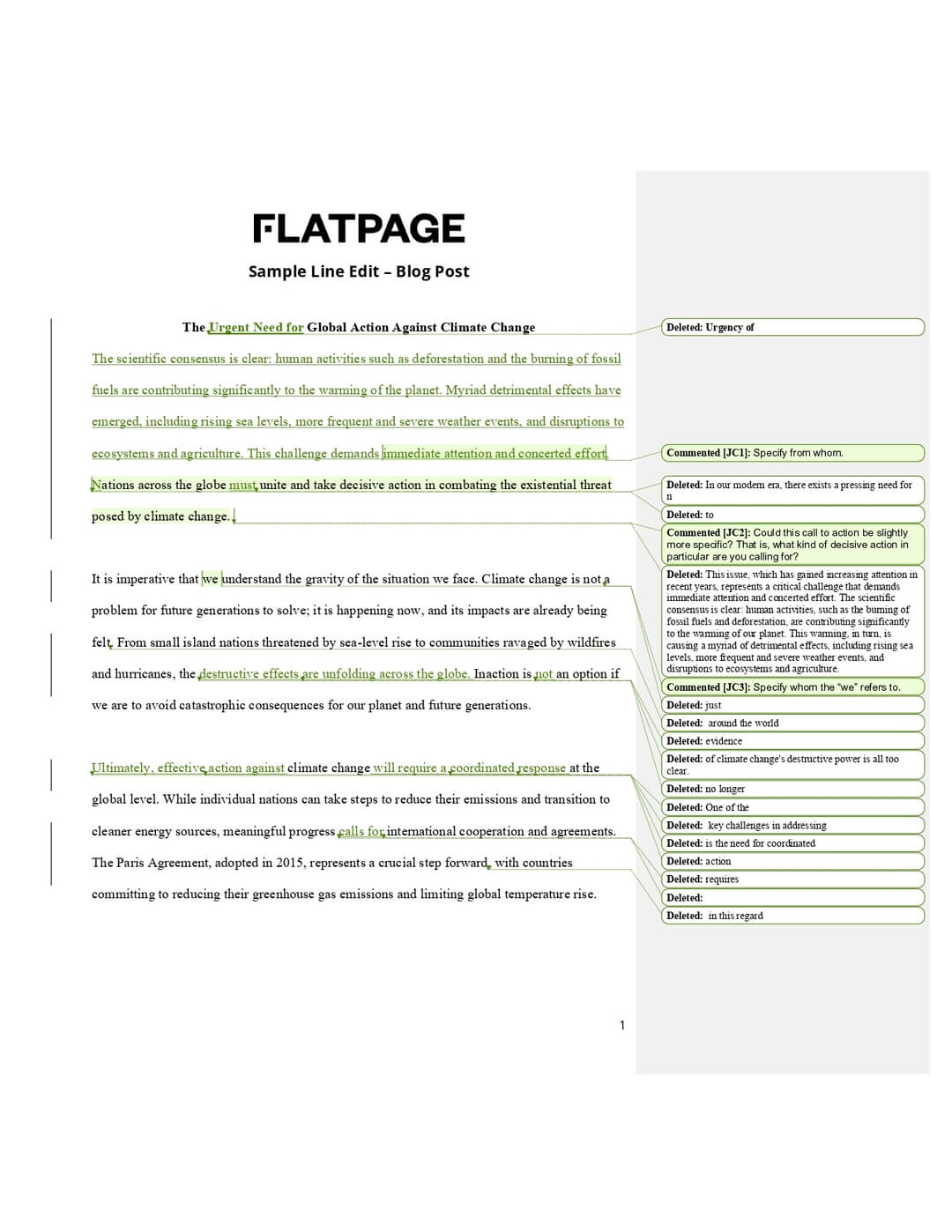
Line editing involves heavy editing to your text, including tracked changes and comments.
In this sample blog post, our editor provided feedback on the content and structure so the author could engage a wider audience.
In this academic essay, the editor was tasked with smoothing the language to connect with scholarly readers.
The editor of this sample edit on an academic essay was required to dramatically reduce the word count.
-
1. Sample Line Edit Blog
Download PDF -
2. Sample Line Edit General Academic
Download PDF -
3. Sample Line Edit Word Count
Download PDF
Line Editing vs. Copyediting
Although the terms are often used interchangeably, copyediting and proofreading are two distinct stages of the editorial process. Copyediting improves the quality of your writing before it’s finalized, while proofreading is the last review before publication.
Line editing
- Improves clarity and readability
- Refines word choice and phrasing
- Strengthens sentence structure
- Improves voice and tone
- Addresses rhythm and flow
- Reduces wordiness and repetition
- Makes prose more engaging
Copyediting
- Corrects grammar and punctuation
- Corrects usage and mechanics
- Ensures consistency
- Applies a style guide
- Checks spelling and capitalization
- Checks basic facts and internal consistency
- Prepares polished prose for publication
Need both? For manuscripts that require sentence-level refinement as well as a final technical edit, we can provide a round of line editing followed by copyediting as separate stages of the editorial process.
Line Editing Pricing & Turnaround
How Much Does Line Editing Cost?
Line editing rates vary depending on the length and complexity of your manuscript and the level of editorial support required. Some projects need a lighter pass to tighten sentences and improve flow, while others require more intensive sentence-level editing to improve clarity, tone, style, and readability. For current pricing, please see our Editorial Services page or contact us for a quote.
We’re happy to provide an estimate after reviewing your manuscript. Your final rate will be based on the scope and complexity of the text, allowing us to match you with the right editor and level of support for your project.
How Long Does Line Editing Take?
Turnaround time depends on the length and complexity of your manuscript and our current scheduling. Shorter documents such as journal articles or reports may be completed within a week, while book-length nonfiction manuscripts generally require several weeks. As a general rule, line editors work through approximately 25,000–35,000 words per week.
If you’re working toward a submission or publication deadline, let us know when you contact us. We’ll recommend a schedule that allows time for careful sentence-level editing as well as your review of the editor’s changes and comments.
Editorial Portfolio
Academic Book Line Editing
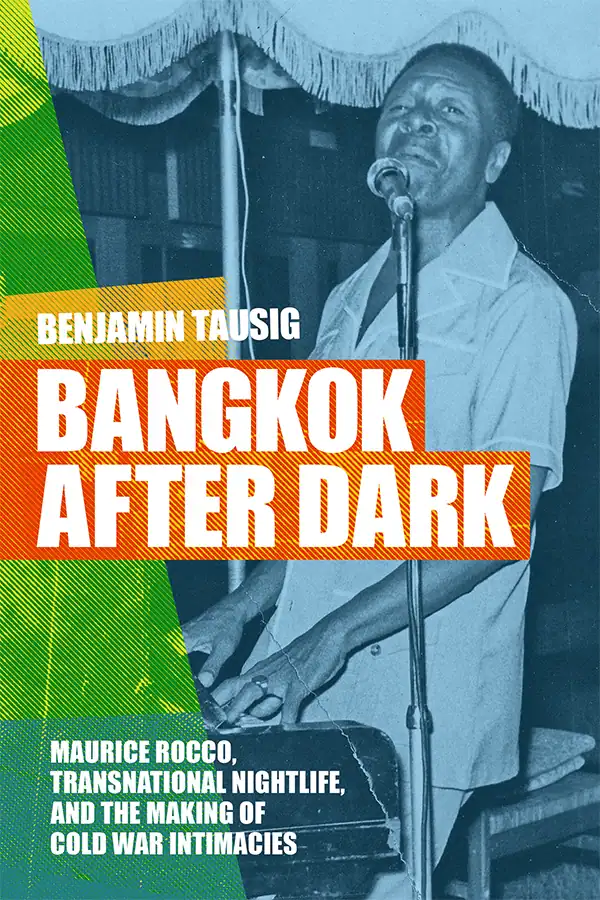
Textbook Line Editing
Research Blog Line and Copy Editing
Whether you’re preparing a book, journal article, report, or other publication, our line editors can help make your writing clearer, smoother, and more engaging while preserving your voice.