Proofreading
The final check before your work is published.
What Is Proofreading?
Proofreading is the final stage of the editorial process, after a document has been edited and designed or typeset. Our professional proofreading services provide a final review of page proofs to catch errors in text, formatting, and layout before your work is published or distributed.
Unlike copyediting, which addresses grammar, usage, consistency, and style throughout a manuscript, proofreading focuses on errors that remain after editing or are introduced during design and typesetting. A proofreader reviews the text and the page as a whole, checking for:
- Typos, spelling, and punctuation errors
- Incorrect or inconsistent spacing
- Page numbers, headers, and footers
- Line and page breaks
- Tables of contents and cross-references
- Captions and illustration placement
- Formatting and typographical inconsistencies
- Widows, orphans, and other layout issues
We proofread books, academic publications, journal articles, reports, catalogs, and other professionally produced materials. Whenever possible, proofreading should be performed on the final page proofs—typically a PDF—so the proofreader can review both the text and its presentation before publication.
What Proofreading Does Not Include
Proofreading is a final quality-control check, not another round of editing. At this stage, the text should already be edited, finalized, and typeset into page proofs. The proofreader focuses on catching remaining errors and issues introduced during design and production rather than making substantial changes to the writing.
Proofreading does not typically include:
- Rewriting or restructuring sentences
- Improving style, tone, or flow
- Substantive grammar or language editing throughout
- Content, argument, or organizational suggestions
- Adding, cutting, or reorganizing material
- Editing a manuscript in Microsoft Word using Track Changes
- Resolving issues that require significant changes to the page layout
- Copyediting material that has not already been professionally edited
If your manuscript still needs corrections to grammar, punctuation, usage, consistency, and style before typesetting, you likely need copyediting.
Who Benefits From Proofreading?
Proofreading is for authors and organizations whose content has already been edited, finalized, and typeset. We work across disciplines to provide a final quality-control review before publication, printing, or distribution.
Books and other long-form publications benefit from a final review after design and typesetting to catch remaining errors in the text, page layout, captions, and other publication elements.
We proofread scholarly books, journal articles, reports, and other research publications that have reached the page-proof stage, checking both the text and its presentation before publication.
Organizations use proofreading for reports, white papers, thought leadership, annual reports, and other professionally designed materials where errors can undermine credibility.
Museums, galleries, arts organizations, and cultural institutions use proofreading for catalogs, exhibition publications, reports, and other designed materials that combine text, images, captions, and complex layouts.
Publishers & Editorial Teams
Publishers and editorial teams can bring us in for an independent final review of typeset books, reports, journals, and other publications before files are released for printing or digital publication.
When Should You Get Proofreading?
Proofreading should take place at the very end of the editorial and production process, after your text has been fully edited, finalized, and typeset into PDF page proofs. It is the last quality-control check before a publication is printed, published, or distributed.
You’re ready for proofreading when:
- Your copyediting and other editorial work are complete
- The text has been finalized and approved
- Your publication has been designed and typeset
- Images, illustrations, captions, and tables are in place
- Page numbers, headers, and other page elements have been added
- You have a final or near-final PDF ready for review
- Only minor corrections should remain
Editorial workflow: Developmental Editing → Line Editing → Copyediting → Proofreading
Proofreading should happen before files are released for printing or final digital publication. If your text still requires substantial corrections to grammar, consistency, or style, it should go through copyediting first. If sentences need rewriting for clarity, tone, or flow, line editing is the more appropriate service.
If you’re unsure which service you need, we’re happy to review your manuscript and recommend the editing level that will provide the most value.
Ask us →
How Our Proofreading Process Works
Our proofreading service includes a thorough review of your final page proofs after the text has been edited, designed, and typeset. Your proofreader works directly in the PDF using Adobe commenting tools, marking corrections and queries for your designer or production team to implement.
Your proofreader will:
- Complete one thorough pass of the page proofs
- Check punctuation, spelling, grammar, spacing, and consistency
- Verify the table of contents, cross-references, headers, page numbering, captions, and illustration placement
- Flag design and typesetting issues such as widows and orphans, line breaks, and misused hyphens or dashes
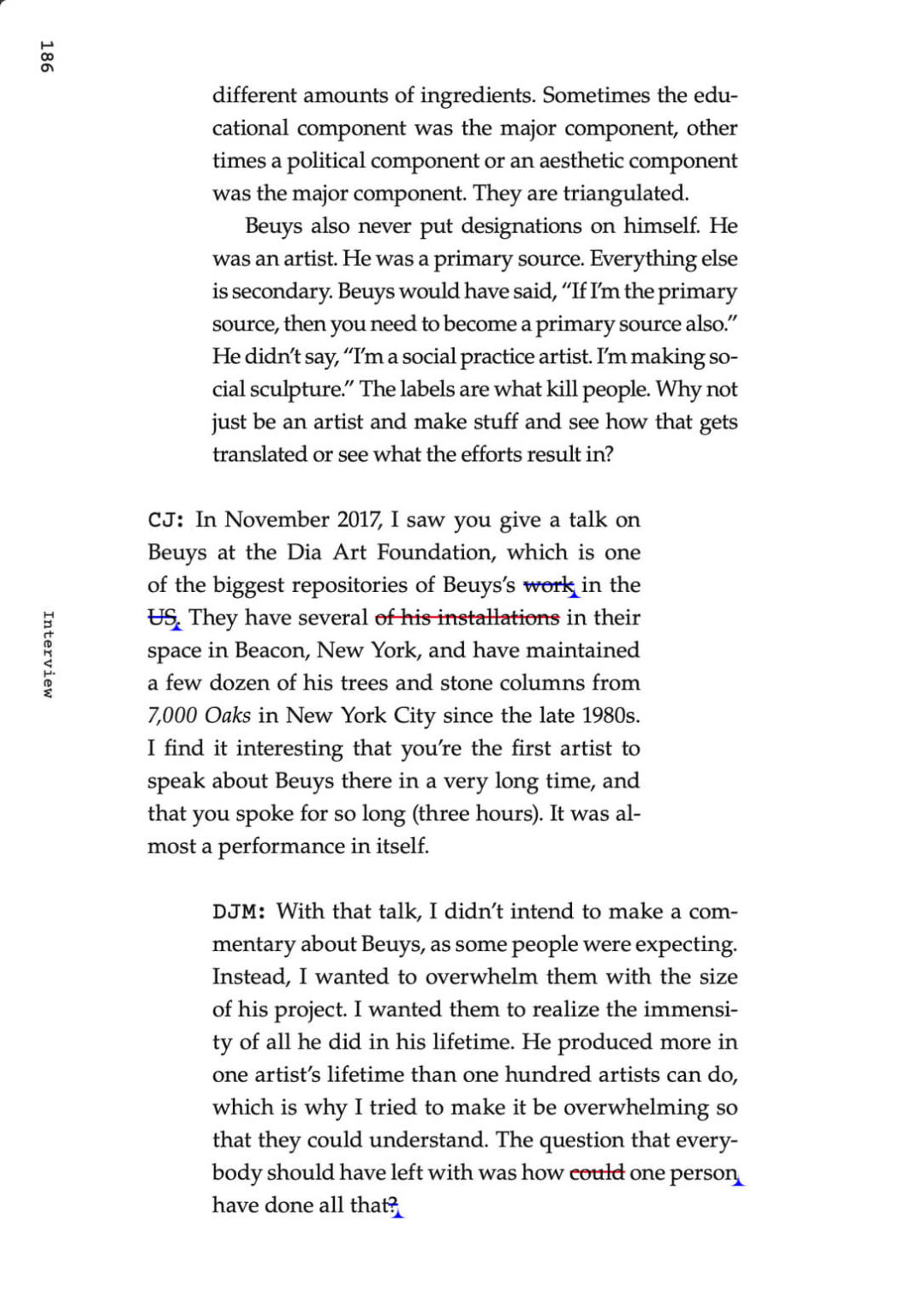
- Mark corrections clearly using Adobe commenting tools, including striking, inserting, and commenting
- Leave queries where clarification is needed
After delivery, the service includes one shorter response to reasonable queries about the proofread, provided they are sent to the proofreader within 14 days of final delivery.
Sample
Sample Proofread
Proofreading is only completed on designed page proofs and typically is marked using Adobe’s commenting features, which are easily legible to a book designer.
See this sample proofread with markup.
Proofreading vs. Copyediting
Proofreading and copyediting both help ensure that your work is accurate and professional, but they happen at different stages of the editorial process. Copyediting works with the manuscript before design and typesetting; proofreading is the final review of the page proofs after layout is complete.
If your text still needs corrections to grammar, punctuation, usage, consistency, or style throughout, you need copyediting. If the text has already been copyedited and typeset and you need a final check for remaining errors and problems introduced during layout, you’re ready for proofreading.
Copyediting
- Improves grammar, punctuation, spelling, and usage
- Ensures consistency in style, capitalization, and terminology
- Improves clarity and readability
- Includes basic fact-checking for names, places, and titles
- Takes place before proofreading
Proofreading
- Catches lingering typographical and formatting errors
- Verifies that previous edits were implemented correctly
- Reviews page proofs or final files before publication
- Does not make substantive editorial changes
- The final step before publication
Need both? For manuscripts that require sentence-level refinement as well as a final technical edit, we can provide copyediting followed by proofreading as separate stages of the editorial process.
Pricing & Turnaround
How Much Does Proofreading Cost?
Our proofreading services are billed at a straightforward per-word rate, based on the length and complexity of your project. Each set of page proofs is carefully reviewed for spelling, grammar, punctuation, formatting, and design consistency. For current pricing, please see our Editorial Services page or contact us for a quote.
Because every project is unique, we provide a customized quote before work begins so you’ll know exactly what to expect. For urgent requests, we also offer fast-turnaround proofreading services, with rush options available depending on project length and schedule.
How Long Does Proofreading Take?
Most proofreading projects are completed in 1–3 weeks, depending on length, complexity, and whether a rush option is requested. A short journal article or brochure may take just a few days, while a full book may require several weeks.
We’ll provide a clear turnaround estimate before work begins so you can plan your publication schedule with confidence.
Editorial Portfolio
Our PortfolioMulti-Author Academic Book Editing and Proofreading
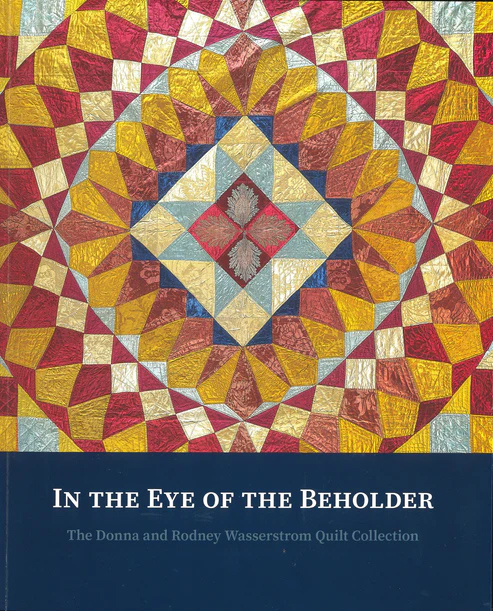
Exhibition Catalogue Indexing and Proofreading
Make sure your publication is ready to go to press or publish. Our professional proofreaders provide a final review of your page proofs to catch errors in text, formatting, and layout before release.